
Finding Calm: How Acupuncture and Herbal Medicine Work Together to Ease Stress and Anxiety
Anxiety has a way of making everything feel harder. The morning commute. A crowded room. An ordinary Tuesday. What might roll off someone else's shoulders lands on yours like a weight you've been carrying so long you've almost forgotten it's there. You've tried the advice- the breathing exercises, the journaling, the cutting back on caffeine. Some of it helps a little. But the undercurrent is still there, and you're ready for something that actually gets to the root of it.
If you've found yourself here, you're likely curious about what acupuncture and herbal medicine can genuinely offer for stress and anxiety- not in a vague, general sense, but in a real this could actually help me sense. That curiosity is worth following.
At Flow Acupuncture, we work with stress and anxiety every single day. It is one of the most common reasons people walk through our door, and it is one of the conditions where East Asian medicine- acupuncture, herbal medicine, and the holistic framework that connects them has some of its most profound, well-documented, and personally meaningful results. This post is an honest, thorough look at how these therapies work, why they work together so well, and what it might mean for you.
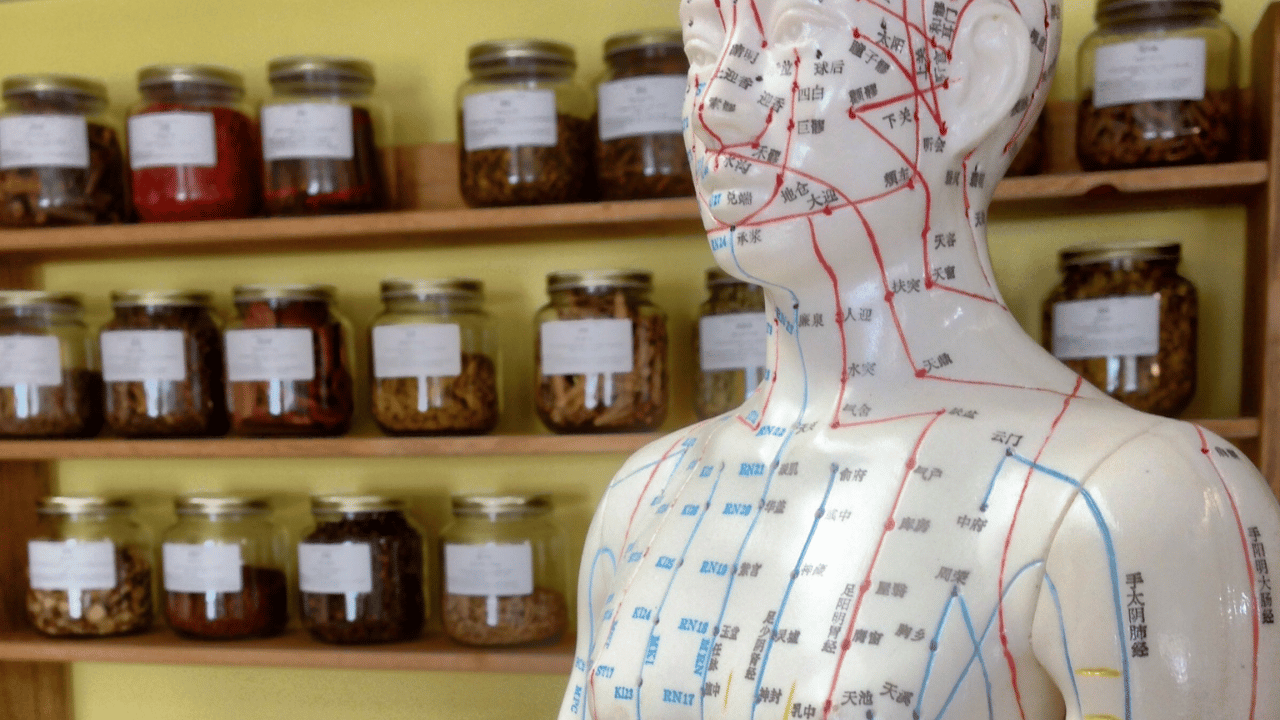
A Different Way of Understanding Anxiety
Before we talk about treatment, it helps to understand the lens through which East Asian medicine sees anxiety- because it's meaningfully different from the conventional Western view, and that difference is part of why it works so well for so many people who haven't found adequate relief elsewhere.
In conventional medicine, anxiety is primarily understood as a brain chemistry issue: a dysregulation of neurotransmitters, particularly serotonin, norepinephrine, and GABA, that produces the symptoms of fear, worry, hyperarousal, and dread. Treatment is aimed at correcting that chemistry, typically through medication and psychotherapy.
East Asian medicine doesn't disagree that the brain is involved but it situates anxiety within a much broader web of interconnected body systems. In Chinese medicine, anxiety and stress-related conditions are understood through patterns of imbalance involving the Heart, Liver, Kidneys, and Spleen; not as anatomical organs exactly, but as functional systems that govern emotion, sleep, digestion, circulation, and the flow of Qi (vital energy) and Blood throughout the body.
What this means in practice is that two people sitting in our waiting room with the same chief complaint, anxiety, may actually be experiencing two very different patterns of imbalance in their body. One person's anxiety might be rooted in what Chinese medicine calls Liver Qi stagnation: a buildup of unexpressed emotion, tension, and frustrated energy that erupts as irritability, chest tightness, and the relentless hamster wheel of anxious thinking. Another person's anxiety might arise from Heart and Kidney disharmony: a deeper depletion, often from chronic overwork or grief, that shows up as night sweats, restless sleep, palpitations, and a diffuse, free-floating sense of dread.
These are different conditions. They call for different treatments. And this is one of the most important things that distinguishes East Asian medicine from more generalized approaches to anxiety: it doesn't treat the label, it treats the person.
What Acupuncture Does for Stress and Anxiety
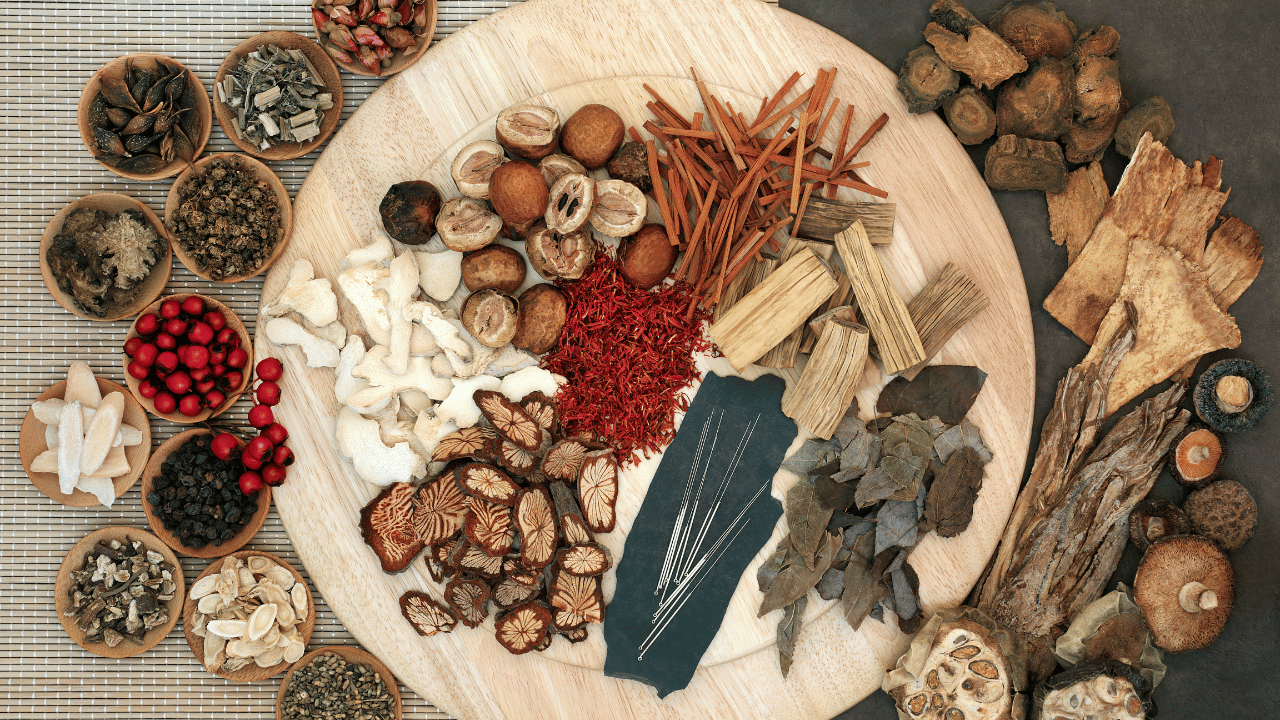
Acupuncture- the insertion of very fine, sterile needles into specific points along the body's meridian system has accumulated a significant and growing body of research for its effects on anxiety, stress, and the physiological systems that drive them. Here is what we know it does:
It Directly Calms the Nervous System
Acupuncture has a measurable, documented effect on the autonomic nervous system specifically, it helps shift the body from the sympathetic ("fight or flight") state into the parasympathetic ("rest and digest") state. For someone with anxiety, this is the core physiological problem: the nervous system is stuck in a chronic state of alert, treating everyday life as a continuous threat. Acupuncture provides a direct, physical interruption to that pattern.
Research has shown that acupuncture reduces levels of cortisol (the primary stress hormone), decreases heart rate and blood pressure, and slows respiration- all objective markers of parasympathetic activation. Many patients describe the experience of lying on the treatment table after needles are placed as one of the most profound states of physical relaxation they've ever felt. That is not coincidence; it is the nervous system responding to a direct, targeted therapeutic signal.
It Regulates the HPA Axis
The hypothalamic-pituitary-adrenal (HPA) axis is the body's central command center for the stress response. In chronic anxiety and stress, this axis becomes dysregulated producing too much cortisol at the wrong times, disrupting sleep, depleting energy, and creating the physiological foundation for everything from insomnia to hormonal disruption to immune suppression.
Multiple studies have found that acupuncture modulates HPA axis function reducing exaggerated cortisol responses to stress and helping normalize the cortisol curve over time. This is not a sedating effect; it is a regulatory one. The goal is not to blunt the stress response but to restore its appropriate calibration, so that the body responds proportionately to genuine challenges rather than chronically overreacting to ordinary life.
It Supports Neurotransmitter Balance
Acupuncture has been shown to influence the production and regulation of several key neurotransmitters involved in mood and anxiety including serotonin, dopamine, GABA, and endorphins. This is likely one of the mechanisms through which it produces both immediate calming effects and longer-term mood stabilization with consistent treatment. It is also why acupuncture and conventional psychiatric medications are not mutually exclusive- many of our patients use acupuncture as an integrative complement to their existing care.
It Addresses the Whole Pattern, Not Just the Symptom
Because every acupuncture treatment is built around the individual patient's pattern of imbalance, treatment for anxiety also addresses the constellation of symptoms that almost always accompany it: the disrupted sleep, the digestive upset, the chronic muscle tension, the fatigue, the hormonal disruption, the cognitive fog. Patients frequently report that as their anxiety improves, so do conditions they didn't even mention at their first appointment because those conditions were part of the same underlying pattern all along.

What Herbal Medicine Adds to the Picture
Acupuncture alone is a powerful therapy. But when it is paired with a thoughtfully prescribed herbal formula from a qualified clinical herbalist, the results are often significantly deeper and more lasting. This is because herbs provide continuous therapeutic support between acupuncture sessions extending and reinforcing the shifts that acupuncture initiates, and addressing the underlying pattern from multiple directions simultaneously.
The Chinese herbal tradition is one of the most sophisticated and extensive systems of botanical medicine in the world- a continuously refined clinical tradition spanning thousands of years, with hundreds of individual herbs and an even larger pharmacopeia of classical formulas. For stress and anxiety specifically, this tradition has developed an extraordinary breadth of tools: formulas that calm an overactive, "wired" nervous system; formulas that nourish and rebuild a depleted, exhausted one; formulas that move stagnant Qi and release long-held emotional tension; formulas that address the complex interplay of anxiety, insomnia, palpitations, and digestive distress that so often arrive together.
What makes herbal medicine so effective and what also makes it essential to receive from a qualified practitioner rather than a supplement shelf is precisely this complexity and specificity.
Why the Right Herb Matters As Much As the Right Diagnosis
This is something we feel strongly about at Flow Acupuncture and Apothecary, and we want to be honest with you about it: not every herb is right for every person. Not even herbs widely known as calming or anti-anxiety.
The popular wellness world has a tendency to present herbal medicine in the same framework as conventional supplements: find the condition, find the herb, take it. Stressed? Here's an adaptogen. Can't sleep? Here's a calming herb. Anxious? Here are five options you can order online tonight.
The problem with this approach is that herbs, particularly in the East Asian tradition, are not categorized primarily by their effect on a symptom. They are categorized by their energetic qualities, their thermal nature, their affinity for particular organ systems, and their action within specific patterns of imbalance. An herb that is deeply calming and restorative for one pattern of anxiety can be entirely wrong, and in some cases, actively aggravating for a different pattern.
An herb that works beautifully for someone whose anxiety is rooted in deficiency and depletion may be too moving and stimulating for someone whose anxiety comes from stagnation and excess. An herb that is ideal for a person with a hot, agitated constitution might worsen symptoms in someone with an already overheated system. An herb with a cold, descending energy may deplete someone who is already cold and exhausted.
We have seen this in clinical practice more than once: someone who comes to us after self-prescribing a well-regarded herbal supplement for anxiety and finding that their symptoms actually worsened. They weren't doing anything wrong; they were following reasonable advice from reasonable sources. The herb in question is genuinely beneficial for anxiety- in the right person, with the right pattern. But without a trained practitioner to assess their full constitutional picture, they ended up with the wrong tool for their particular situation.
This is not a reason to fear herbal medicine. It is a reason to respect its sophistication and to work with someone who has spent years learning how to match the plant to the person.
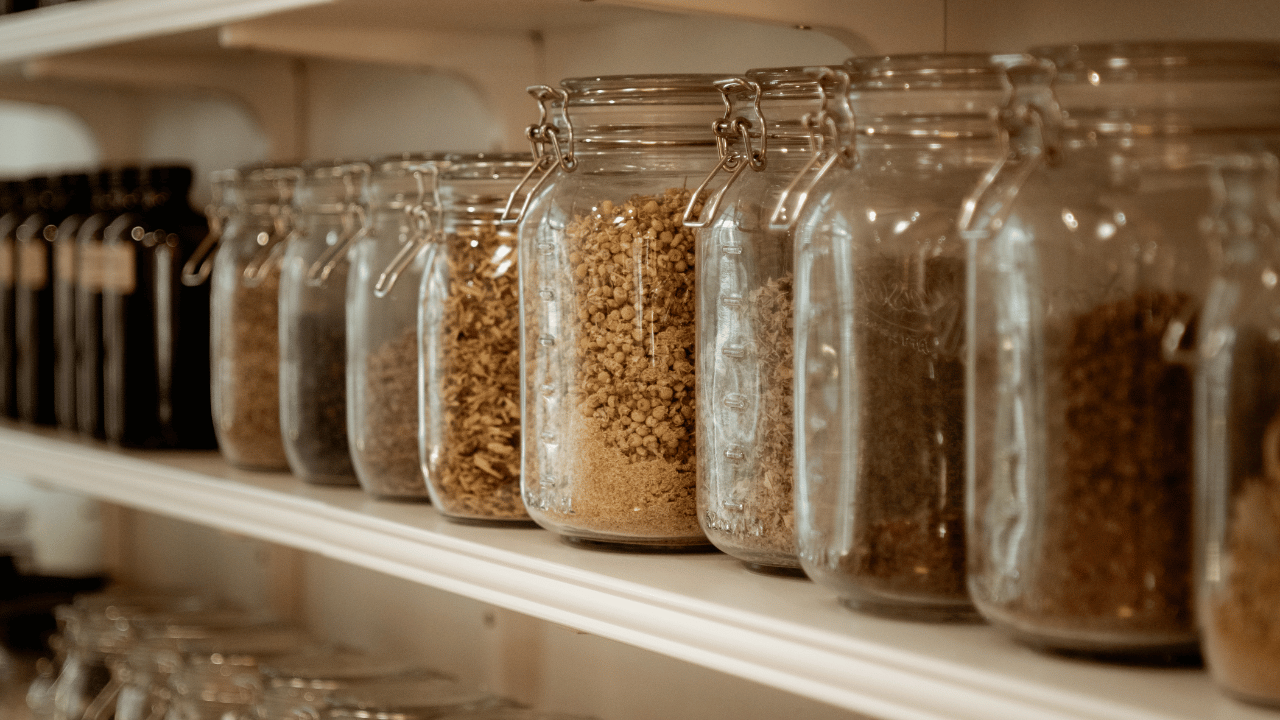
Our herbal apothecary is stocked with vibrant and organic herbs
What a Qualified Practitioner Brings to Your Herbal Care
When you work with a licensed acupuncturist who is also trained in Chinese herbal medicine, you are working with someone who has completed graduate-level clinical training in both disciplines; typically a three- to four-year master's degree program with thousands of hours of supervised clinical practice. Their assessment of your anxiety isn't just a check-box of symptoms; it's a comprehensive picture of your constitution, your life circumstances, your medical history, your sleep patterns, your digestion, your emotional landscape, and the subtle diagnostic signs- pulse quality, tongue appearance, and much more that indicate the precise pattern of imbalance present in your body.
From that picture, they can identify not just that you have anxiety, but what kind of anxiety you have in the language of Chinese medicine. And from that, they can construct or select a herbal formula that is matched to your specific pattern; not to the generic label of anxiety.
They also know what to avoid for you- which herbs are contraindicated given your constitution, your medical history, or any pharmaceuticals you may be taking. They know how to monitor for herb-drug interactions. They know how to adjust the formula as your pattern shifts over the course of treatment. And they know when a formula isn't working as expected and how to modify it accordingly.
This is genuinely personalized medicine not as a marketing phrase, but as a clinical reality.
What to Expect When You Come In for Anxiety
If you are new to acupuncture and herbal medicine, it can feel a little uncertain not knowing what to expect. Here is a general picture of what care at a practice like ours looks like for stress and anxiety:
Your first appointment is primarily an intake; a thorough, unhurried conversation about your experience of anxiety, the circumstances around it, your health history, your sleep, your digestion, your energy, and what you've already tried. We want to understand not just your symptoms but you, the person living inside them. After the intake, your first acupuncture treatment is typically given, and if herbal medicine is appropriate for you, we'll begin discussing a formula.
Early treatments often produce a noticeable sense of calm and relief and many patients walk out of their first session feeling lighter than they have in months. This is encouraging, and real, but it is also just the beginning. The deeper work of rebalancing the underlying pattern takes time and consistency.
With regular treatment typically weekly or bi-weekly in the early phase, most patients with anxiety begin to notice meaningful shifts within 4–8 weeks: sleeping better, responding to stress with more resilience, experiencing fewer and less intense anxiety episodes. The anxious baseline begins to lift. The space between stress trigger and reaction begins to widen.
As the pattern stabilizes treatment frequency typically decreases to monthly maintenance visits which help preserve the gains made and continue to support the nervous system's long-term resilience.
Herbal formulas are typically reassessed at each visit and adjusted as your pattern evolves because good herbal medicine is not static. As you change, your formula should change with you.
Acupuncture and Herbal Medicine Alongside Conventional Care
We want to be clear about something important: we are not asking you to choose between East Asian medicine and conventional psychiatric or psychological care. For many people, the most effective approach to anxiety involves both.
Acupuncture and herbal medicine can be excellent complements to therapy, psychiatric medication, or both. They address dimensions of anxiety- the nervous system dysregulation, the physiological stress burden, the sleep disruption, the physical tension- that talk therapy alone doesn't directly touch. They can reduce side effect burden from medications. They can support the process of medication tapering when appropriate and done in collaboration with a prescribing provider. And they can provide a consistent, grounding therapeutic relationship and practice that reinforces everything else a person is doing to support their mental health.
We work collaboratively with our patients' other providers whenever possible, and we always take a complete medication history before prescribing herbal formulas to screen for interactions.
You Don't Have to Stay Stuck Like This
Anxiety is one of the most isolating experiences a person can have- partly because it is invisible to others, and partly because it can make the ordinary act of reaching out for help feel like yet another thing to be anxious about. We understand that. Our practice is built to be a calm, unhurried, genuinely welcoming space for people who are carrying a lot.
The ancient systems of acupuncture and herbal medicine were developed by practitioners who understood that the mind and body are not separate, that stress lives in the tissues as much as the thoughts, and that healing requires meeting the whole person- not just the symptom. After thousands of years of refinement and, now, a growing body of modern clinical research, these traditions have more to offer people with anxiety than ever before.
If you're in our area and ready to explore what this kind of care might look like for you, we would love to be part of your path forward.
