
Sports Medicine and Acupuncture in Salt Lake City: A Comprehensive Guide to Movement, Recovery, and Performance
How acupuncture, massage therapy, cupping, and the wider tools of East Asian medicine care for every body that moves, from the elite athlete to the weekend hiker, with Aidan Paulk at Flow Acupuncture and Apothecary
The body in motion needs care. That is true whether you are crossing a finish line in the Wasatch Back Relay, dropping into a couloir in Little Cottonwood Canyon, training for your first marathon along the Jordan River Parkway, or simply carrying groceries up a flight of stairs at the end of a long day. Sports medicine, at its heart, is the art of supporting the body that moves, and that includes far more bodies than just the elite athletes who first come to mind.
At Flow Acupuncture and Apothecary in Salt Lake City, sports medicine is one of the cornerstones of our practice, led by our licensed acupuncturist and licensed massage therapist Aidan Paulk. This post is a thorough look at how acupuncture, alongside its companion modalities, supports prehab, rehab, injury recovery, and performance for athletes and everyday movers alike.
Sports Acupuncture Is for Anyone With a Body
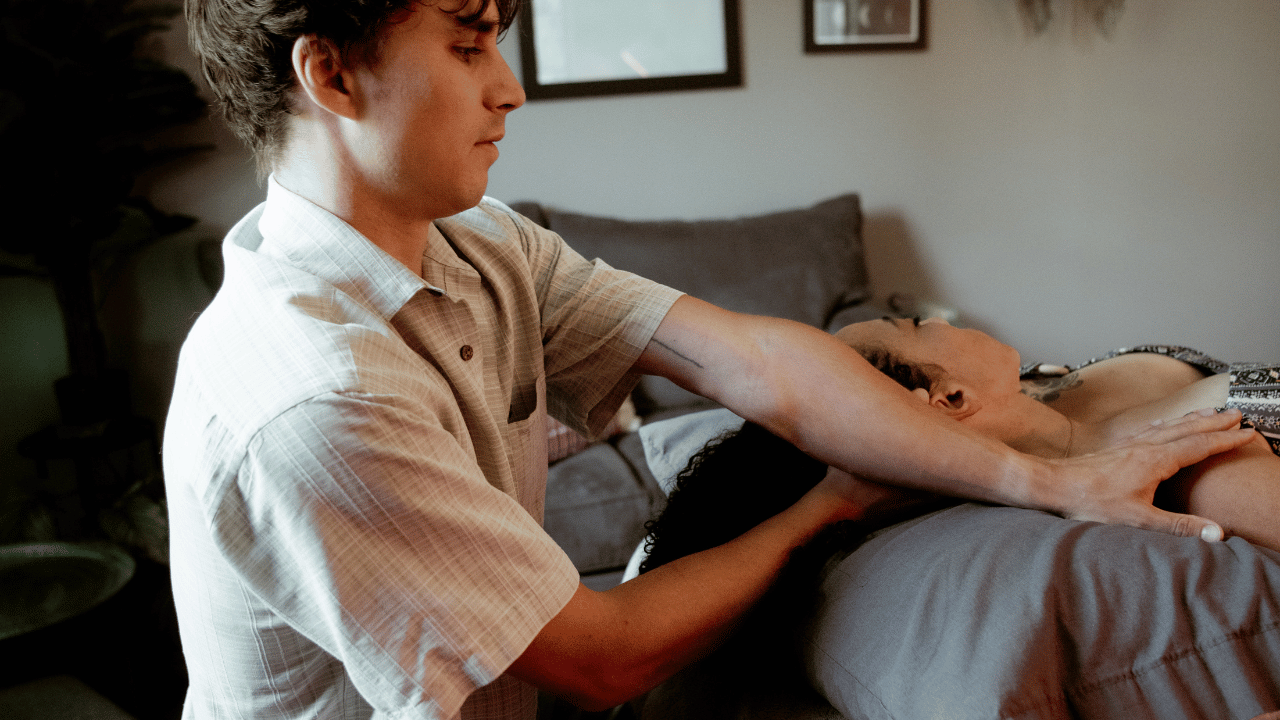
Walk into a sports medicine clinic and you might assume the room is meant for athletes. The truth is much wider. The runner with a tight IT band, the cyclist with low back pain after a long ride up Emigration Canyon, and the desk worker whose shoulders have been creeping up to their ears for three months are dealing with very similar things. They are all carrying patterns of strain, tension, and incomplete recovery in their tissues, and they all benefit from the same fundamental care.
Sports acupuncture medicine is for the athlete preparing for a competitive season. It is also for the weekend warrior who skis hard every Saturday and wants to keep doing it well into their seventies. It is for the climber, the mountain biker, the trail runner, the swimmer, and the yoga practitioner. It is for the new mother whose body is recovering from pregnancy and birth. It is for the construction worker, the nurse, the teacher who stands all day, and the office worker whose body is asking for attention after years of compromise.
If you have a body, you have movement patterns. If you have movement patterns, you have areas that hold more strain than others, places where injuries accumulate, and a nervous system that benefits from being shown that it is safe to rest and rebuild. Sports medicine combined with acupuncture meets all of that with care, precision, and time tested tools.
Acupuncture as Prehab: Caring for the Body Before Injury Arrives
Prehab is one of the most powerful and underused applications of acupuncture. The idea is simple. Most injuries do not arrive out of nowhere. They develop over weeks or months in tissues that have been quietly strained, tight, or working harder than they should to compensate for something else. By the time the actual injury occurs, the body has often been asking for attention for some time.
Acupuncture supports prehab by identifying and easing the patterns of muscular tension, fascial restriction, and altered movement that precede injury. Working with these patterns early can mean the difference between a strong training season and a sidelined one. Aidan often works with athletes who are deep in a training block or competitive season, using regular sessions to keep accumulating strain from becoming acute pain.
Prehab acupuncture also works on the nervous system itself, easing the chronic activation that interferes with recovery, sleep, and the body's natural repair processes. Athletes who train hard often do not rest hard enough, and acupuncture is one of the most reliable ways to shift the body into the parasympathetic, restorative state where genuine recovery happens.
Acupuncture as Rehab: Healing After Injury or Surgery
When injuries do occur, acupuncture has a substantial role to play in rehabilitation, often working alongside physical therapy, orthopedic care, and the body's own healing intelligence.
Acupuncture supports rehab in several ways at once. It eases pain, which allows for earlier and more confident movement. It improves circulation to the injured area, which speeds the delivery of nutrients and the clearing of inflammatory byproducts. It releases protective muscular guarding, which is the body's way of bracing around an injury, and that bracing often becomes its own source of pain after the original tissue has healed. It also supports the resolution of scar tissue and fascial adhesions, which can otherwise quietly limit range of motion for years.
Acupuncture is well suited to working alongside post surgical recovery, including knee surgeries, shoulder repairs, and the various procedures common in athletic populations. Sessions can begin gently as soon as your surgeon clears you, and the work supports the body's repair processes through the long arc of full recovery.
For chronic injuries that have not fully healed despite other care, acupuncture often opens new doors. The slow, layered approach of East Asian medicine sees the body as a whole system, and frequently the missing piece in a stubborn injury is something happening elsewhere in the body that has gone unaddressed.
Acupuncture for Common Sports Injuries
There is a long list of injuries that respond well to acupuncture and its companion modalities. Among the most common we see at Flow Acupuncture in Salt Lake City are low back pain and sciatica, neck pain and cervical strain, shoulder pain including rotator cuff strains and impingement, tennis and golfer's elbow, wrist tendinopathy from training and from repetitive desk work, hip pain and bursitis, knee pain including runner's knee and patellar tendon issues, IT band tightness, plantar fasciitis, Achilles tendinopathy, hamstring strains, calf tightness, and the various overuse patterns common in running, cycling, and climbing.
Each of these benefits from a slightly different approach, and a good sports medicine specific acupuncturist tailors the work specifically to your injury, your sport, your body, and where you are in the healing arc. Aidan brings his background as a competitive distance runner, who personally healed from several chronic injuries through acupuncture, to every session. That lived experience gives him a particular feel for the path through injury, and a real appreciation for how much it matters.
Acupuncture for Athletic Performance
Beyond injury, acupuncture has a meaningful role in supporting performance. This is one of the reasons acupuncture has become increasingly visible in professional sports, including the Olympics, the NBA, and elite endurance racing.
Performance acupuncture works on several layers. It supports recovery between training sessions, which is where most actual physical adaptation occurs. It eases the nervous system into the deep restorative states that promote sleep, hormone balance, and tissue repair. It addresses small imbalances and tensions before they limit performance or create injury. It can support breath capacity and respiratory function, which matters for endurance and high altitude athletes here along the Wasatch. And it works with the focus, calm, and mental clarity that distinguish good performance from great performance, particularly under competitive pressure.
For athletes who train at altitude, who compete seasonally, or who simply want to feel their best in their chosen movement, regular acupuncture sessions become a quiet edge that compounds over time.
The Full Sports Medicine Toolkit at Flow Acupuncture
Acupuncture is the foundation of our sports medicine work, and at Flow we draw on a complete set of complementary modalities that deepen and broaden what acupuncture alone can do. Aidan integrates many of these directly into his sessions, and others are available through our wider clinic team.
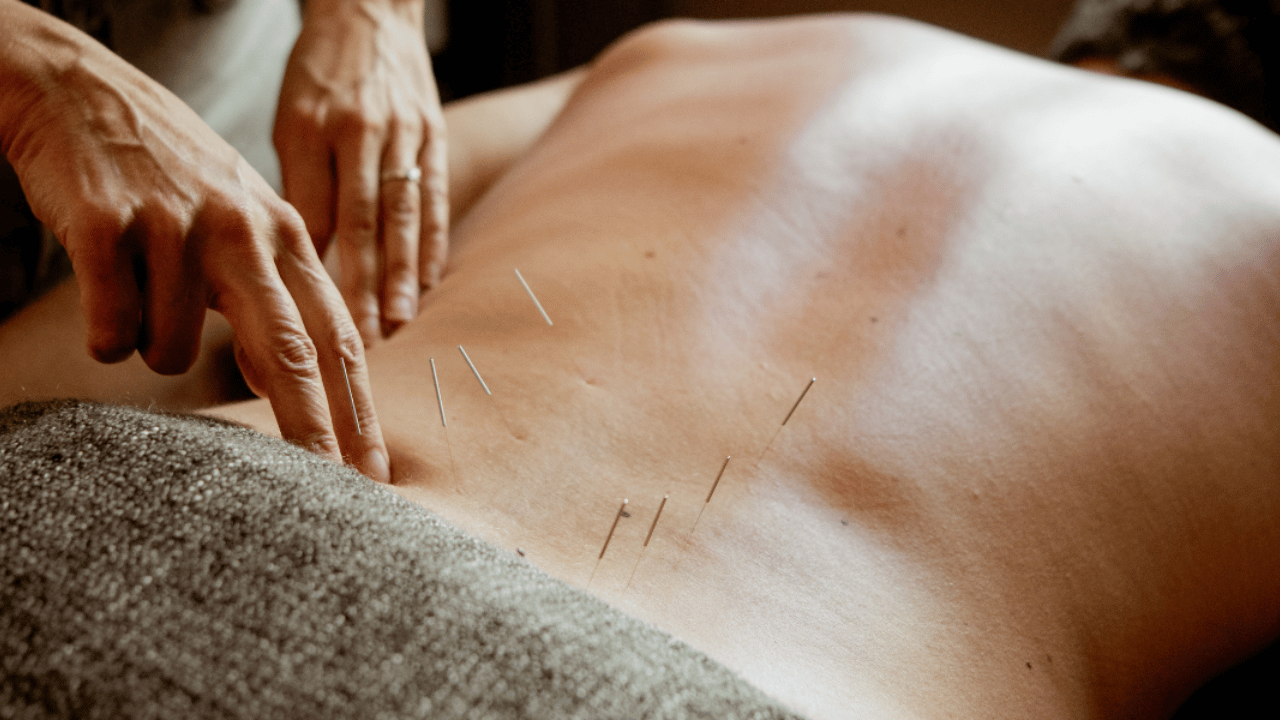
Acupuncture
The careful insertion of fine, sterile needles at specific points to ease pain, improve circulation, release muscle tension, regulate the nervous system, and support the body's own healing response. Modern acupuncture has a substantial research base for musculoskeletal pain, post operative recovery, and a range of athletic applications, and it has been refined through more than two millennia of clinical practice.
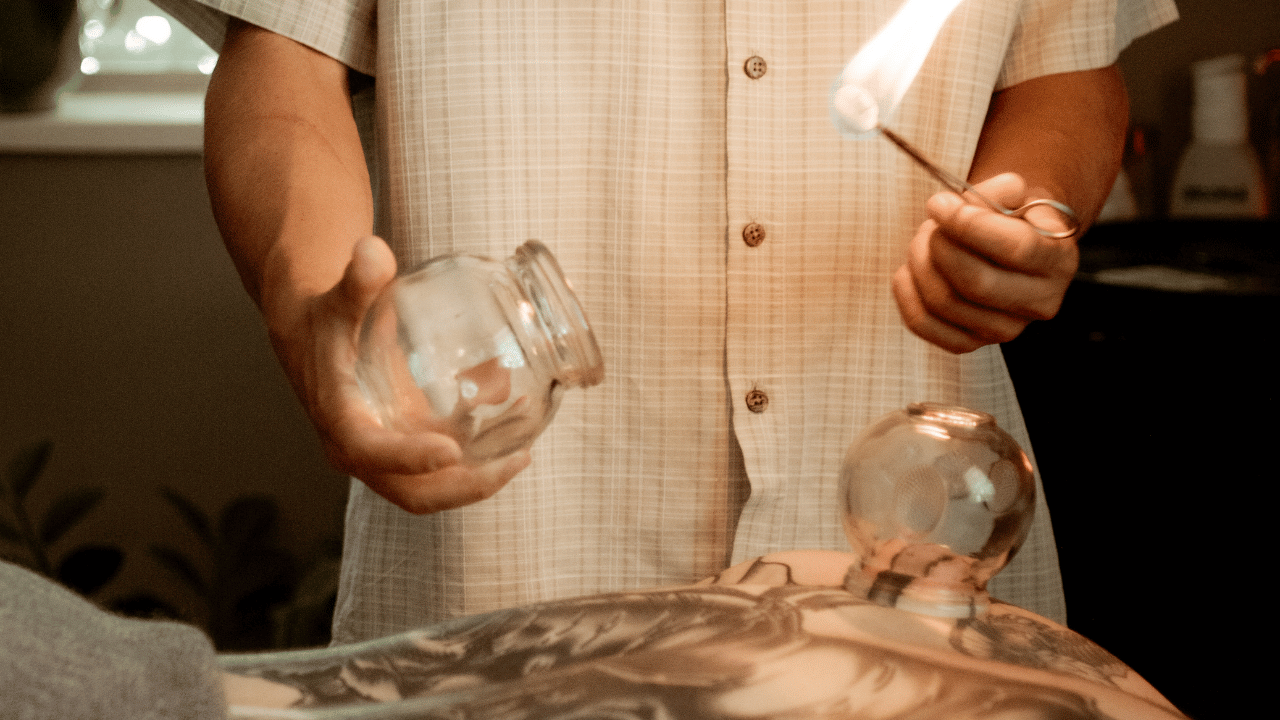
Cupping
Cupping uses suction, applied through silicone or glass cups, to lift the soft tissue and create a kind of inverse massage. This dramatically increases local circulation, releases fascial restrictions, and loosens tight, holding muscles in a way that conventional massage often cannot. Cupping is especially effective for the broad areas of tightness that athletes and active people accumulate across the back, shoulders, IT band, and calves. The temporary circular marks that sometimes follow a cupping session are simply the visible trace of increased circulation in the area.
Moxibustion
Moxibustion is the gentle warming of acupuncture points or injured tissues using burning mugwort, applied either above the skin or on top of the needle. It brings deep, penetrating warmth that is particularly useful for cold, stiff, or slow healing injuries, chronic joint pain, and tissues that benefit from sustained heat. Many of our athletic clients find that moxibustion adds a layer of recovery that needles alone do not reach.
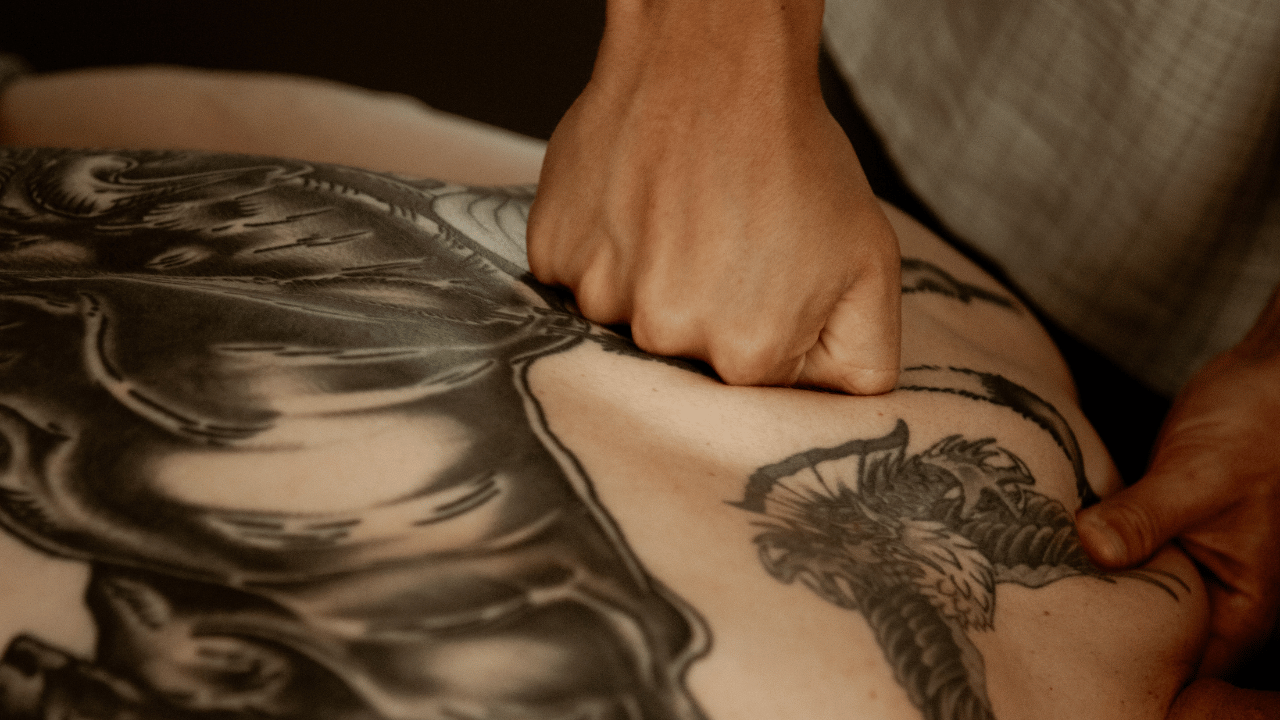
Massage Therapy
Aidan is a licensed massage therapist as well as a licensed acupuncturist, and he weaves bodywork directly into every session. This combination is one of the things that makes his sports medicine practice especially effective. The acupuncture works on the nervous system, the circulation, and the deeper layers of muscular tension. The massage works on the soft tissue directly, with hands that can feel exactly where the restriction lives and respond to it in real time. Together, these two approaches address both the systemic and the local dimensions of injury and tension in a single session.
Herbal Medicine
The Apothecary at Flow is home to a deep collection of medicinal herbs and our resident clinical herbalist Josh Williams. For sports medicine clients, herbal medicine adds a systemic layer of support for pain, inflammation, sleep, energy, and recovery that nicely complements the local work of acupuncture and bodywork. Anti inflammatory and circulatory herbs, restorative tonics, sleep supporting blends, and adaptogenic formulas can all play a role in athletic recovery and resilience, particularly during demanding training periods or while recovering from injury.
Qigong
Qigong is a practice of intentional movement, posture, and breath drawn from the same tradition that gave us acupuncture. For athletes and active people, qigong offers a gentle but powerful complement to other training. It supports breath capacity, mental focus, balance, joint mobility, and the kind of nervous system regulation that hard charging bodies often lack. Qigong can be learned as a take home practice that requires no equipment and only a few minutes a day, and even brief regular practice produces noticeable benefits over time.
Meet Aidan Paulk, Sports Medicine Acupuncturist at Flow
Aidan Paulk leads sports performance acupuncture at Flow Acupuncture and Apothecary. He is a Licensed Acupuncturist with the Utah Division of Occupational and Professional Licensing, holds a Master of Acupuncture and Oriental Medicine, and is a Licensed Massage Therapist nationally certified through the NCBMT.
Aidan's path into this work is personal. He came to acupuncture as a competitive distance runner who had spent years cycling through chronic injuries. When acupuncture began to resolve those injuries, he also noticed deeper shifts in his sleep, his anxiety, his breath, and his relationship with his own body. That experience set him on the path of becoming the practitioner he is today, and it informs the care he offers every client.
His specialties include sports medicine, athletic performance, injury recovery and prevention, and physical and emotional wellbeing. His care is fully patient centered. Because no two bodies and no two injuries are exactly alike, Aidan builds each session around what you specifically need that day. He integrates bodywork into every session, which clients consistently describe as one of the most distinctive and effective parts of working with him.
To schedule a session directly with Aidan, please use the link at the end of this post or visit his page on our site.
Sports Medicine and Acupuncture in Salt Lake City and the Wasatch Front
Salt Lake City is one of the great mountain cities of the country, and the population reflects it. We are runners, skiers, snowboarders, climbers, mountain bikers, trail runners, hikers, swimmers, and yogis. We are also nurses, teachers, parents, builders, drivers, office workers, and retirees, all of us moving through bodies that ask for care.
Sports acupuncture is well suited to the demands of life here. The training intensity of mountain athletes, the recovery needs of high altitude exertion, the seasonal arc of ski and climbing seasons, and the year round wear of an active lifestyle all benefit from regular, thoughtful care. Flow Acupuncture is located on East South Temple, an easy stop from anywhere along the Wasatch Front, including the Avenues, Sugar House, Millcreek, Holladay, the University area, Park City, and the wider Salt Lake Valley.
Begin Sports Medicine, Massage, and Acupuncture With Aidan
Whether you are preparing for a competitive season, recovering from an injury, working through a chronic pattern that has not resolved with other care, or simply taking better care of the body that carries you through your life, acupuncture has something genuine to offer.
If you would like to begin, schedule a session with Aidan and bring your story, your goals, and whatever your body is currently asking for. We will meet you where you are.
